Dabitch.net - Everything is so random there must be a pattern

Hi, I'm Åsk, I'm a geeky creative director. Here I share whatever is on my mind and the occasional script.

Dabitch.net - Everything is so random there must be a pattern

When you crashed your EDS instance, restart and you can't connect via SSH

When you crashed your EDS instance, restart and you can't connect via SSH

Let's say you did something kinda not-so-smart and you rebooted your EDS instance, and for some reason, it restarts, but won't let you in via SSH, or worse... It simply will not restart.

Yeah, I've done that. More than once too. We are all idiots when we're tired.

Pop over to your amazon GUI thingamabob, and detach that eds from your crashed (and stopped) instance. That would be listed under "volumes" in their lovely control panel page there.

Start some other temporary server, and attach this EDS to it. Oh, make sure it's Ubuntu or some other yummy *nix flavour because I can't help you in windows.

Once the other server is started and has the instance attached, mount it. You will probably have to find it first. Here's your new best friend: blkid

/dev/sda1: LABEL="cloudimg-rootfs" UUID="44ca5ce8-7504-45ee-a634-be52fdceb901" TYPE="ext3"
/dev/sdh: LABEL="uec-rootfs" UUID="f9fc3b3b-94aa-4a67-827c-c24941303aa8" SEC_TYPE="ext2" TYPE="ext3"


Lookie! Crashed instances eds volume of the root partition is there, woop woop! Now mount that baby!

Make the directory first, else you'll feel like a right fool later looking at "/vol does not exist"

sudo mkdir -m 000 /vol

Then add it to fstab & link the eds to that new directory you made

echo "/dev/sdh /vol auto noatime 0 0" | sudo tee -a /etc/fstab

Then finally: mount /vol

Now you can dig around and find the files you need to fix in that broken root partition. Or just save what you need into a new server. Have fun.

”Våga anställa annorlunda – på riktigt”

”Våga anställa annorlunda – på riktigt”

Vi söker bara annorlunda om det är annorlunda på rätt sätt. Ta in det som verkligen särskiljer sig från normen isället, skriver Åsk Wäppling, creative director på Adland.


Det pratas om hur vit branschen är, nu när man har insett att kvinnor faktiskt jobbar i reklambranschen och att konstant ropa om att anställa fler kvinnor kan se lite fånigt ut när man bara har en enda man på kontoret och resten är damer. Dags att lösa nästa problem, det är för många som heter "Anders" i branschen och för få som heter Mohammed eller Priya. Katastrof, verkligen.

Grundtanken är ju naturligtvis inte att melaninnivån i hyn är det avgörande, utan att personer med en annan bakgrund kan ge en annan infallsvinkel. Och det har man ju rätt i. Men då har man nog missat vilka åsiktskorridorer som leder till kontorslandskapen i Sverige.

En ytlig annorlundahet som mammas västafrikanska påbrå, kopplat med studier på Sigtuna och fina betyg från Berghs är sådär lagom annorlunda, medan mannen som jobbade som präst tills han sadlade om mitt i livet är ett riskabelt wildcard. Man kan vandra in på en byrå på Söder och tryggt veta att alla har röstat på Miljöpartiet, gått de rätta skolorna som Hyper Island eller Berghs och gillar de rätta banden.

Vi söker bara annorlunda om det är annorlunda på rätt sätt. Ta in det som verkligen särskiljer sig från normen. Ta in personerna som pluggade utomlands. Ta in lantisen som flyttade till staden. Ta in dem som är religösa med agnostikerna. Ta in hårdrockaren och kulturarbetaren. Ta in egenföretagaren som misslyckades, för de har lärt sig hårda läxor i livets skola.

Ta in kreativa direktörer som faktiskt kan ta ett beslut, och inte låter en slita hela helgen på olika upplägg för att "man bara vill testa om det funkar". Ta in säljaren som faktiskt säljer och inte bara ringer sina gamla polare hela dagarna. Ta in illustratören som aldrig släpper sin penna. Ta in strategen som vänder och vrider på allt i jakt på nästa smarta plan.

Kort och gott, anställ folk som är bra på det de gör, för det har vi definitivt brist på.

Denna krönika publicerades i Resumé Maj 2016

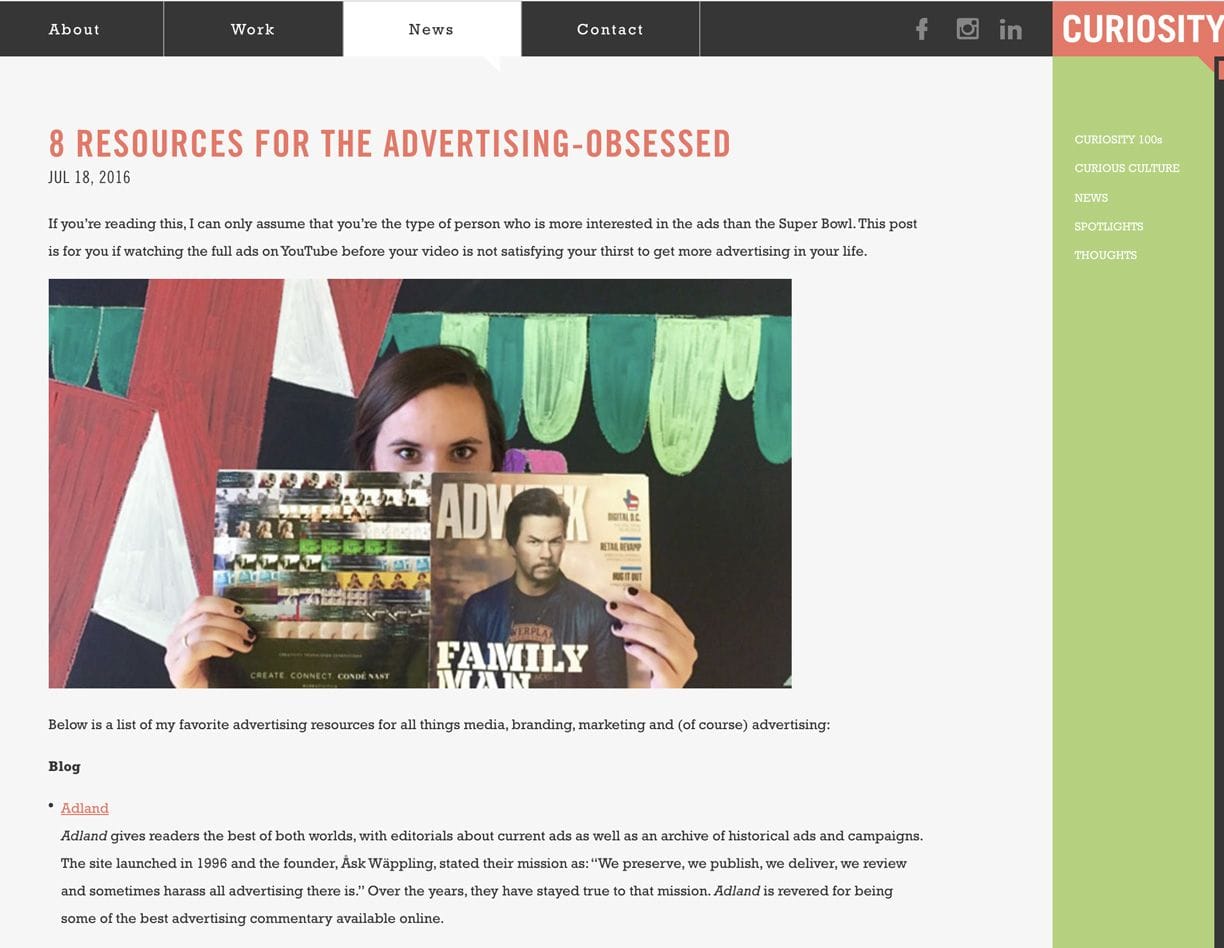
Curiosity July 2016: 8 RESOURCES FOR THE ADVERTISING-OBSESSED

Curiosity July 2016: 8 RESOURCES FOR THE ADVERTISING-OBSESSED

So, this online mag called curiosity made a list called "8 Resources for the advertising obsessed", and there Adland is, as number one. How delightful. No archive because this website can not be archived, it seems. 
 

Adland gives readers the best of both worlds, with editorials about current ads as well as an archive of historical ads and campaigns. The site launched in 1996 and the founder, Åsk Wäppling, stated their mission as: “We preserve, we publish, we deliver, we review and sometimes harass all advertising there is.” Over the years, they have stayed true to that mission. Adland is revered for being some of the best advertising commentary available online.

Aluma Social Welfare - putting homeless people on the digital map

Aluma Social Welfare - putting homeless people on the digital map
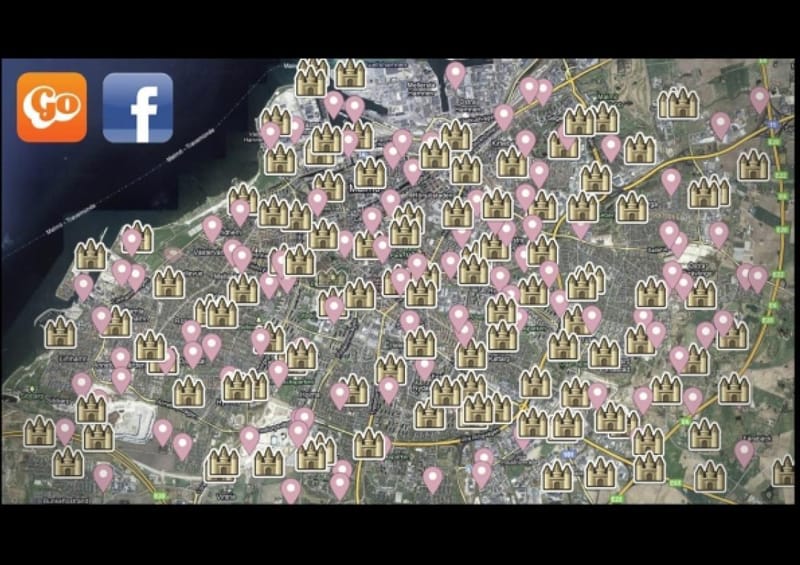
Spot the pale ghost on the left

Challenge

The Fanclub wanted people to notice the homeless in Malmö. With $0 budget. While people were busy playing Gowalla and 4square on their phones.

Solution

Since I knew how to hack both Gowalla & 4Square's geo-location, the Fan Club contacted me for help, and we spent an evening at the agency making check-in spots for homeless peoples "homes". Benches, parks and bus stops. A little hackathon for the homeless, if you will.

Result

The media impact was worth approx $365,000, reaching 1.1 million people in Sweden, it was covered on national and local news, on the radio and in newspapers.

Quoted Economic Times, India "Adworld’s most unusual CEO" 2016

Quoted Economic Times, India "Adworld’s most unusual CEO" 2016

Back in 2016 there were a lot of things happening at the top levels of ad agencies, with a huge scandal erupting at JWT as the former CEO Was sued for sexual harassment. Economic Times India wrote about the new CEO Tamara Ingram. Archive here. 

When the issue was iron-hot, we had reached out to global trade portal Adland’s CEO, Åsk Dabitch, who had this to say about the incident: “JWT seems to have an unfortunate knack of putting the wrong people in top positions, where they really shouldn’t be. I am reminded of the Vodafone case study out of J Walter Thompson Cairo, which claimed that Egypt’s Revolution was a result of Vodafone. There’s a special kind of cynical brashness that creates that type of case study, and it comes from the top. Martinez seems to be a Latino stereotype, judging by everything that he has allegedly said. Ironically, everything he is accused of saying is stereotyping others too.”

But the incident is not a representative of what the company is like, Eastwood asserts. “I look at our leadership at that time - the worldwide CCO is gay, CFO is Jewish, talent officer is a woman, and the CEO is Hispanic himself - we were pretty diverse, still are.” Just a week before Martinez announced his exit, J Walter Thompson had launched Her Story - a series of documentaries on female revolution - with BBC World News. “You can’t be what you can’t see,” he reasons.

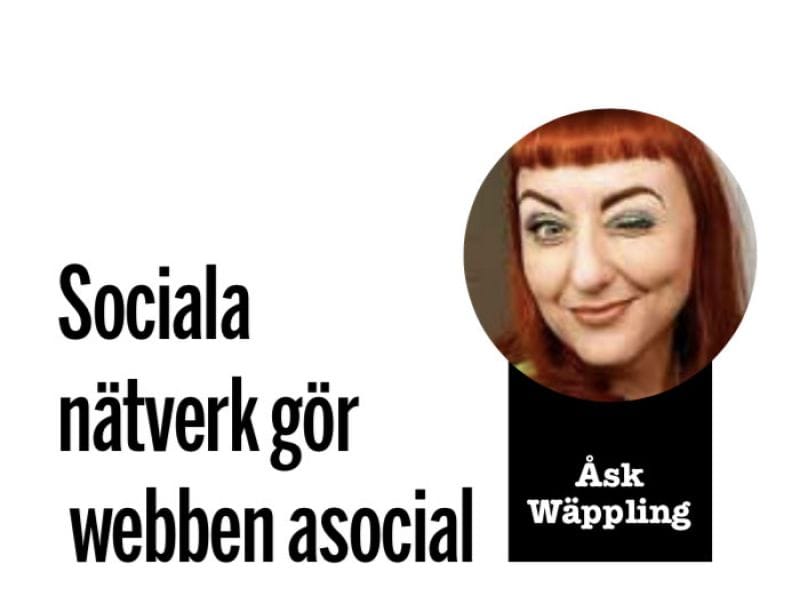
Sociala nätverk gör webben asocial

Sociala nätverk gör webben asocial
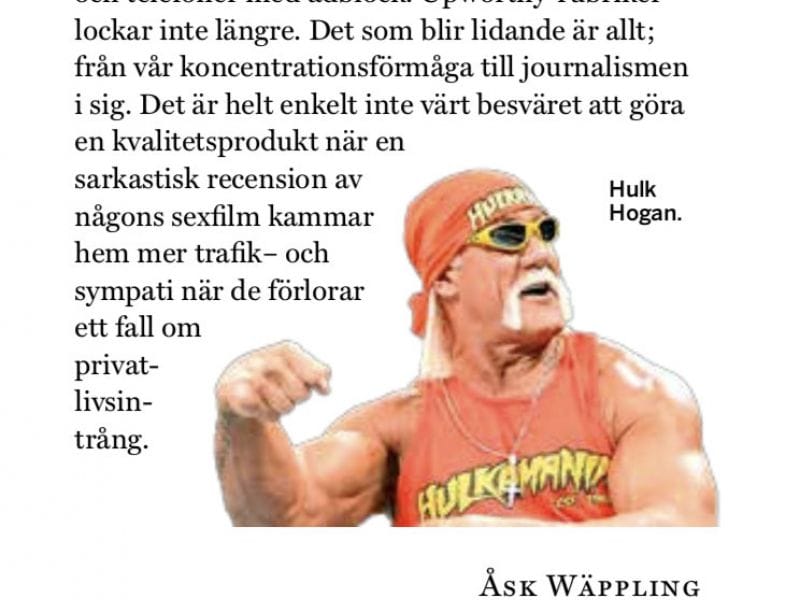
DET STORMAR PÅ NÄTET. Mediahuset fött ur blogg- revolutionen, Gawker, tappar publik och ansikte när Hulk Hogan vann sitt fall om privatlivsintrång mot dem. En oberoende jury gav Hulk ett enormt skadestånd, stort nog att kunna störta hela Gawker. Det visar sig att klickbete, som folks hemligt filmade sexfilmer, kan bli riktigt dyrt i längden.

Klickbete må ha dykt upp i samband med bloggarna, men blev inte till en riktig plåga förrän de sociala nätverken tog över våra liv och vi kunde följa “live” hur Gawker eggade på Twitter att jaga Justine Sacco. Allt från privata Facebook-sidor till 140-tecken skämt från okända är snart en

hel artikelserie. Nätdrev driver nobelpristagare ifrån sina universitet och folk från sina jobb, med tusentals artiklar på hundratals ”nyhets”-sajter.

FACEBOOKS ALGORITMER underlättar för en viss typ av rubriker att bli virala. Upworthy bevisade ju att vi klickar på nästan vad som helst om rubriken är rätt. Eller ännu värre, vi spenderar en hel dag med att tjafsa i kommentarerna utan att ens ha klickat.

En gång var det Google som hänvisade trafiken, nu är det Twitter, Facebook och trafik-säljare som Taboola och Outbrain. Det är enkelt att anpassa skräpsajter till att se legitima ut, åtminstone för en stund, och dra trafiken till sig med rubriker som drar folk. Kända varumärkens reklam syns på skräpsidorna, en sajt som dök upp igår och är borta imorgon kan kamma hem mycket pengar.

LEGITIMA MEDIAHUS och skräpsajter slåss om samma slant. Receptet för att hålla trafiken uppe är att slänga sig på alla twitter-drev, beväpnade med tjära och fjäder.

Läsarna tröttnar, laddar sina datorer, plattor och telefoner med adblock. Upworthy-rubriker lockar inte längre. Det som blir lidande är allt; från vår koncentrationsförmåga till journalismen i sig. Det är helt enkelt inte värt besväret att göra en kvalitetsprodukt när en sarkastisk recension av någons sexfilm kammar hem mer trafik– och sympati när de förlorar ett fall om privatlivsintrång.

Adland calls out Ad Age on Twitter over 'sexism' in the industry

Adland calls out Ad Age on Twitter over 'sexism' in the industry

Growing increasingly frustrated over the tradepress using the trademarked term 'adland' carelessly in headlines, making it seem as if the article was about my site adland, I called them out on Twitter in 2016 which resulted in the article: Adland calls out Ad Age on Twitter over 'sexism' in the industry (see archived version here). I have emailed the editors directly, public shaming seems to work better. 
 

Tensions between two of the advertising industry’s leading news publications, Adland and Advertising Age, were made public after an open Twitter dispute.


Website Adland, which archives commercials, called out Ad Age for an article titled ‘What It's Like to Be a Woman in Adland: Stories of Sexism in the Office’.

The piece recounts true stories from prominent women in the business who have experienced serious sexism within the industry from high level executives.

While Ad Age appears to be referencing the advertising industry and not Adland itself, the use of the title could be mistaken as insinuating that the website Adland was indeed sexist.

This a public request, please stop using our trademark in headlines like that @adage Cheers ever so much pic.twitter.com/A9JYmpws74

— adland ® (@adland) March 21, 2016

Ad Age did not respond on Twitter, which led to Adland voicing its grievances in regards to how the advertising news site was treating an industry news source headed by a woman.

How will we ever end the reign of men when you can't even give a 20 year veteran the time of day? @doritosyndrome@christut8@adage — adland ® (@adland) March 21, 2016

Åsk Wäppling (pictured) founded Adland in 1996, and the site has gone on to become the largest archive of commercials in the world.

AMA Marketing Insights: A Marketer's guide to the dark web 2016

AMA Marketing Insights: A Marketer's guide to the dark web 2016

The American Marketing association had this article "Marketinginginsights" magazine, called "A Marketer’s Guide to the Dark Web" where Zach Brooke explores the dark web, bitcoin, and "what's lurking beneath the surface web and how does that affect your brand?" 

Good question indeed. Zach Brooke has hiw own website where he showcases this (pdf) and other articles that he has written. 

The Mainstream Goes Dark


Just as the more problematic dark net sites are exiting the scene, some prominent mainstream services are entering. In October 2014, Facebook announced it had added a Dark Web version of its social network in order to circumvent problems caused when Tor users accessed their accounts through Facebook’s regular site. A spokeswoman for Facebook said the company was still in the process of evaluating dark net metrics and is not ready to publicize them.

More recently, ProPublica made headlines when it announced in January that it would host a version of its news site on the dark net. Several reporters and news organizations already have a limited dark net presence—a smart move for organizations wanting to connect with whistle-blowers and political dissidents. But ProPublica’s announcement that it would host a .onion site is a step beyond what everyone else has done.

dabitch headshot red sweater

Source: Adland's Åsk Wäppling

Well, almost everyone. A few hours after ProPublica’s Dark Web announcement on Jan. 6, Adland, an advertising news and curation site, announced it had launched its own hidden service site, as well. “Adland’s target cares about privacy. We have two different types of readers. There are people who work in advertising, and then there are a lot of technical people like gamers who already have adblock installed,” says Adland founder Åsk Wäppling, when explaining why she decided to set up a .onion version of her site. 

In fact, Wäppling portrays the Surface Web as the more dangerous place to surf. “The way ad networks are today are basically indistinguishable from malware. There’s a lot of third-party calls going on between the publication that you’re reading and the [tracker] on the publication,” she says.

Wäppling cares deeply about protecting her readers from malicious advertising and metadata collection. She notes that when Apple products made adblockers available, the number of Adland readers using those services skyrocketed 55%. Since tracking data via cookies or other metadata is hidden on the dark net, Wäppling sees the dark net as a turbocharged adblocker.    

These sentiments were echoed by ProPublica news applications developer Mike Tigas, who said on a recent ProPublica podcast, (below) “I think it's a public service to give your readers these kinds of choices. It's a very conscious decision that we have to make as an organization to decide that we want to do this. I think we all agree that letting our users choose what types of metadata they leave behind is positive for us.”


Wäppling says the .onion version of Adland contains the same content that the Surface Web does, and that there are no extra costs to hosting a site on the Dark Web.

Adland is also in the unique position of being able to generate revenue off of the Dark Web. Having switched over from an advertising-based business model to one based on donations, Adland can receive contributions on the Dark Web using PayPal. The site also accepts Bitcoins, a virtual currency that is the most popular form of payment on hidden services sites.

Wäppling predicts that more organizations with particularly privacy-attuned users will join Adland and ProPublica in offering .onion versions of their sites on the Dark Web. She also feels that she isn’t giving anything up by encouraging anonymous traffic. 

“I’ve never really collected data from my users anyway,” she says. “That’s the thing, if you’re using somebody else’s ad network, the data collected doesn’t go to you as the site presenter, it goes to the ad network. So the data collected, which is infringing on my users’ privacy, isn’t giving me any knowledge …. But [a site’s presenters] carry the weight of all the hatred when a malware banner ad disrupts their readers.”

- See more at: http://web.archive.org/web/20160310122552/https://www.ama.org/publications/marketinginsights/pages/marketers-guide-to-dark-web.aspx#sthash.36JdFQyL.dpuf

Great! You’ve successfully signed up.

Welcome back! You've successfully signed in.

You've successfully subscribed to Dabitch.net - Everything is so random there must be a pattern.

Success! Check your email for magic link to sign-in.

Success! Your billing info has been updated.

Your billing was not updated.